What Makes a Period Underwear Manufacturer a Good Long-Term Partner?
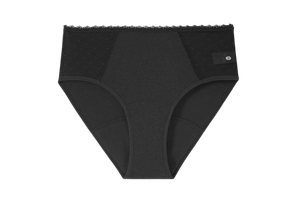
A reliable period underwear manufacturer supports brand growth through stable quality, product development, compliance, and flexible production. Brands usually evaluate suppliers through factors such as defect rates, certifications, production capacity, material sourcing, and communication efficiency. A manufacturer with strong OEM experience can help reduce delays, improve product consistency, and develop underwear that meets different market needs, from daily protection to heavy-flow designs.
The relationship between a brand and a manufacturer affects every stage of product development. Period underwear is not a simple garment because it combines textile comfort with absorbent technology. A typical product includes a moisture-wicking top layer, absorbent middle layers, and a waterproof barrier. The performance of each layer affects leakage protection, drying speed, and wearing comfort.
A professional period underwear manufacturer understands how different fabrics work together. For example, cotton blends are often selected for softness, while polyester or nylon blends may improve durability and moisture transfer. Research published in textile science fields has shown that fiber structure, fabric density, and finishing treatments can influence liquid absorption speed and drying performance by measurable differences.
“A manufacturer with textile knowledge can adjust fabric combinations instead of simply copying existing products.”
Product consistency is one of the first areas brands evaluate when selecting a long-term supplier. A factory may produce thousands of units per order, but small differences in stitching, fabric cutting, or waterproof layers can affect customer experience. According to quality management practices used in international apparel production, inspection systems often include material checks, inline inspections, and final product testing.
| Production stage | Common quality checks |
|---|---|
| Fabric preparation | Fiber composition, color accuracy, shrinkage rate |
| Cutting and sewing | Size accuracy, seam strength, stitching quality |
| Absorbent layer assembly | Layer position, absorption performance |
| Final inspection | Appearance, packaging, product measurements |
A manufacturer that follows standardized procedures can maintain more stable results across repeated orders. For brands expanding from 5,000 units to 50,000 units, production consistency becomes more important because customers expect the same fit and performance in every purchase.
Material safety and certification experience also influence supplier selection. Period underwear is worn close to the body for several hours, so brands often require fabrics that meet international textile safety standards. Certifications such as OEKO-TEX® Standard 100, Global Recycled Standard (GRS), and BSCI are commonly requested by companies selling in Europe, North America, and other international markets.
In 2023, consumer research in several apparel markets showed that sustainability remained an important purchase factor, with many shoppers paying more attention to reusable menstrual products compared with previous years. Period underwear manufacturers that provide recycled fabrics, organic cotton options, and safer chemical management processes can support brands targeting environmentally aware customers.
“Material selection affects not only product performance but also how a brand communicates with customers.”
A long-term supplier should also provide product development support. Many brands begin with a basic concept, such as creating underwear for light days, overnight use, sports activities, or postpartum needs. Turning an idea into a finished product requires knowledge of fabric selection, pattern adjustment, absorbency placement, and manufacturing limitations.
Experienced manufacturers usually maintain development teams that can assist with sample creation and technical improvements. A development cycle may include several rounds of prototypes before mass production. Depending on design complexity, sampling can take several weeks, while large-scale production planning may require additional time for fabric preparation and quality checks.
Customization capability allows brands to create different product lines. Common customization areas include:
-
Fabric composition and softness level
-
Absorbency capacity for different flow levels
-
Waistband and leg opening design
-
Color selection and labeling
-
Packaging style and brand identity
A supplier that can manage customization efficiently helps brands introduce new products without changing factories frequently.
Production capacity is another factor that affects long-term cooperation. A small order may test a new product idea, but successful brands often need suppliers that can increase output without reducing quality. Manufacturers with organized production systems can handle seasonal demand changes, product launches, and repeat orders more effectively.
For example, a brand selling 10,000 units annually may later require 100,000 or more units as customer demand increases. The manufacturer must have enough workers, equipment, production planning ability, and supplier relationships to support this growth.
Communication quality also affects daily cooperation. Product development involves many details, including measurements, fabric samples, packaging requirements, and delivery schedules. Manufacturers that provide clear updates and respond quickly help brands avoid misunderstandings during production.
A professional supplier normally provides information about:
| Communication area | Expected support |
|---|---|
| Sampling | Timeline updates and revision feedback |
| Production | Manufacturing progress reports |
| Quality control | Inspection results and issue handling |
| Shipping | Delivery preparation and documentation |
International brands also need manufacturers that understand export requirements. Different countries have different rules regarding labeling, product testing, and restricted substances. A factory experienced in global markets can prepare products according to regional requirements and reduce unnecessary adjustments.
Pricing is important, but long-term partnerships require evaluating total production value rather than only unit cost. A lower quotation may not include the same fabric quality, inspection standards, or development support. A stable supplier with better quality control can help brands reduce product returns and maintain customer satisfaction.
In the reusable menstrual product market, customer expectations continue to change. Industry reports from 2024 estimated that sustainable feminine hygiene categories would continue growing as consumers searched for alternatives to disposable products. Manufacturers that invest in improved fabrics, production technology, and product research are better prepared for these changes.
“The best partnerships develop through continuous improvement rather than one-time transactions.”
A good manufacturer works with brands over multiple product cycles. They collect feedback from previous orders, improve production methods, and help refine future designs. This cooperation allows brands to create stronger product lines while maintaining reliable quality.
Choosing a period underwear supplier requires reviewing manufacturing experience, testing standards, customization options, production ability, certifications, and communication practices. A manufacturer that performs well in these areas can support a brand from initial product launch to long-term market expansion.